A Global Treasure on Our Doorstep
The Cape Floral Kingdom is one of the world’s greatest natural treasures. Despite being the smallest of the planet’s six floral kingdoms, it contains an extraordinary diversity of plant life found nowhere else on Earth.
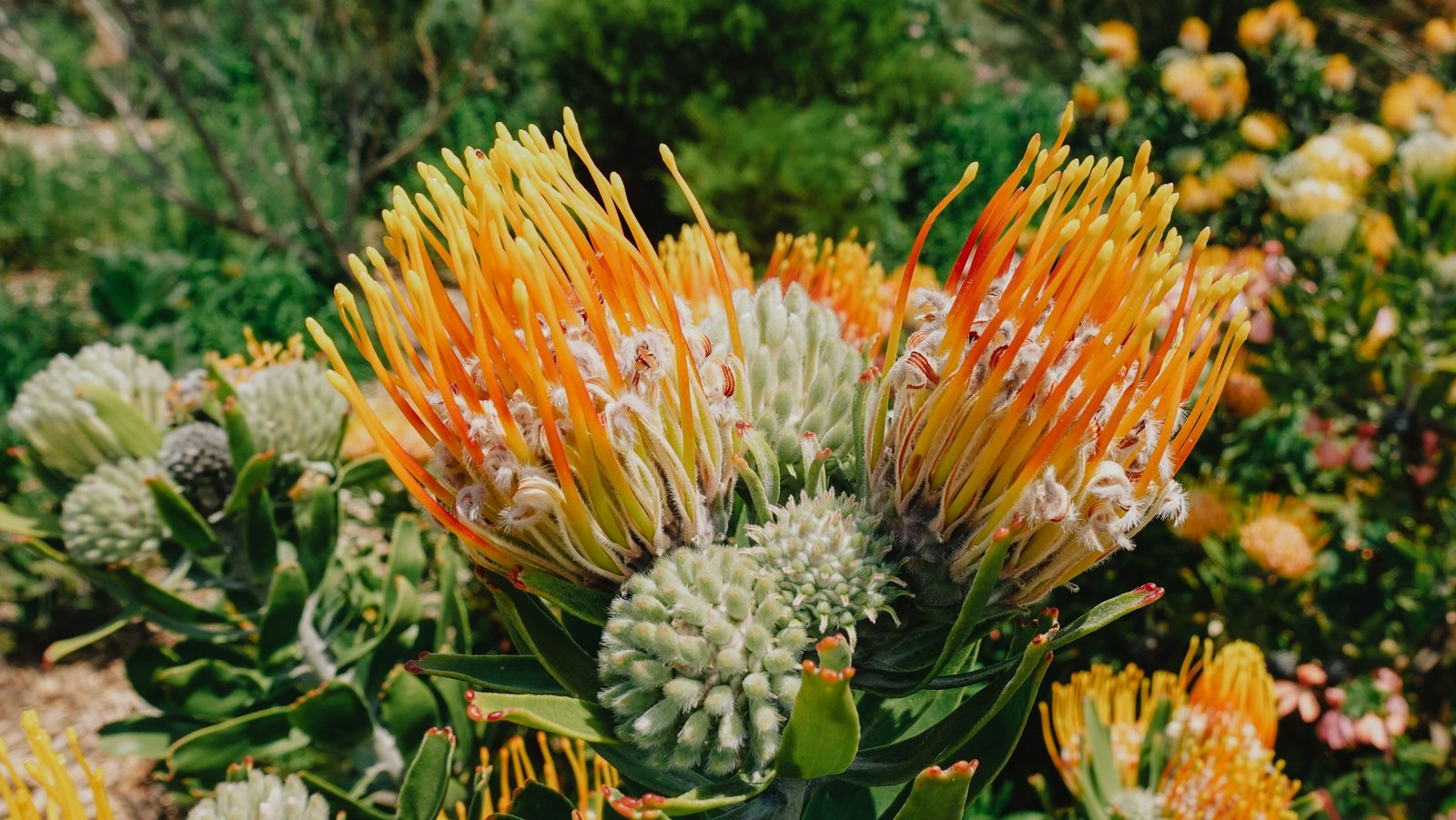
Stretching across the Western Cape of South Africa, this unique biome is home to thousands of indigenous plant species, including iconic proteas, ericas, and restios. Many of these species exist only in small geographic areas, making the region both biologically rich and ecologically fragile.
At Fynbos & Beyond, we believe that protecting this natural heritage is not just a local responsibility — it is a global one.
What Makes Fynbos So Unique?
Fynbos ecosystems evolved over millions of years under specific climatic and environmental conditions. The region experiences winter rainfall, nutrient-poor soils, and periodic natural fires that shape plant regeneration.
These conditions created one of the most specialised ecosystems in the world.
Some remarkable features of the fynbos biome include:
- More than 9,000 plant species in the Cape Floral Region
- High levels of endemic biodiversity
- Complex ecological relationships between plants, insects, birds, and mammals
- Adaptations to fire-driven regeneration cycles
- Exceptional pollinator diversity
This biodiversity supports not only wildlife, but also essential ecological services that sustain human life.
Why Conservation Matters Now
The Cape Floral Kingdom faces increasing pressure from urban expansion, habitat destruction, invasive alien vegetation, and climate change.
When ecosystems are damaged, the impacts extend far beyond plant loss. Water systems, soil stability, pollinator populations, and climate resilience are all affected.
Conservation is no longer optional — it is essential.
Protecting fynbos landscapes helps:
- Safeguard water catchment systems
- Support pollinators and biodiversity
- Reduce erosion and land degradation
- Improve climate resilience
- Preserve cultural and natural heritage
At Fynbos & Beyond, our work focuses on helping people understand the value of these ecosystems through conservation, eco tourism, storytelling, and indigenous landscape awareness.
Connecting People to Nature
One of the greatest challenges in modern conservation is disconnection.
Many people live close to extraordinary biodiversity without understanding its significance. This is why education, storytelling, and immersive experiences are so important.
When people walk through a fynbos landscape, learn about indigenous plants, or hear the stories behind ecosystems, they begin to form meaningful connections with nature.
Those connections inspire stewardship.
Looking Beyond Today
Conservation is not only about protecting what remains — it is about restoring what has been lost and creating a future where people and ecosystems can thrive together.
Every indigenous garden planted, every restoration project supported, and every conversation about biodiversity contributes to that future.
The Cape Floral Kingdom is more than scenery. It is a living system that supports life, culture, and identity.
Protecting it starts with understanding it.
Hi, this is a comment.
To get started with moderating, editing, and deleting comments, please visit the Comments screen in the dashboard.
Commenter avatars come from Gravatar.