Reimagining Gardens Through Biodiversity
Gardens are more than decorative spaces. They can become living ecosystems that support biodiversity, conserve water, and reconnect people with the natural environment.
At Fynbos & Beyond, we believe indigenous gardens are one of the most powerful ways to bring conservation into everyday life.
By using locally indigenous plants adapted to regional conditions, homeowners, businesses, schools, and public spaces can create landscapes that are both beautiful and environmentally responsible.
What Is an Indigenous Garden?
An indigenous garden uses plant species naturally found within a local region.
Unlike exotic ornamental gardens that often require excessive watering and maintenance, indigenous gardens are designed to work with the environment rather than against it.
These gardens support local ecological systems while creating visually rich and sustainable spaces.
Benefits of Indigenous Gardens
Water-Wise Landscaping
Many indigenous plants are naturally adapted to local rainfall patterns and dry summer conditions.
This means:
- Reduced water consumption
- Lower maintenance requirements
- Greater resilience during drought conditions
- Reduced reliance on artificial irrigation
In water-scarce regions like the Western Cape, this makes indigenous landscaping both practical and environmentally responsible.
Supporting Biodiversity
Indigenous gardens create habitat for:
- Pollinators such as bees and butterflies
- Nectar-feeding birds like sunbirds
- Beneficial insects and small wildlife
These gardens become mini conservation spaces that strengthen ecological networks across urban environments.
Even a small indigenous garden can contribute to biodiversity restoration.
Seasonal Beauty and Texture
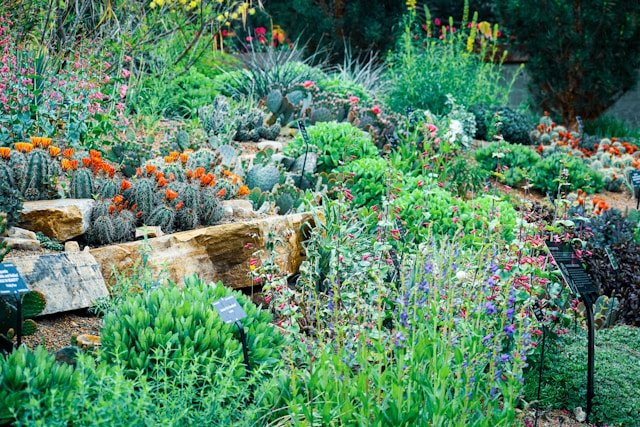
Fynbos plants offer extraordinary colour, texture, and seasonal variation.
From striking protea blooms to delicate ericas and architectural restios, indigenous landscapes create visually dynamic spaces throughout the year.
Rather than uniform landscaping, indigenous gardens celebrate natural diversity.
Indigenous Gardens as Educational Spaces
Gardens also create opportunities for learning.
Schools, community centres, and public spaces can use indigenous landscapes to teach:
- Biodiversity awareness
- Pollinator relationships
- Water-wise gardening practices
- Indigenous ecological knowledge
- Climate resilience strategies
Nature becomes something people interact with daily rather than something distant or abstract.
Bringing Nature Back Into Urban Spaces
Urbanisation often disconnects people from ecological systems.
Indigenous gardens help reverse this by transforming homes, offices, and public areas into living landscapes that support both people and biodiversity.
They create calmer, healthier, and more environmentally connected spaces.
At Fynbos & Beyond, we see indigenous gardens not simply as landscaping — but as a form of conservation.
Small Changes, Lasting Impact
You do not need a large property to make a difference.
A balcony planter, a small courtyard, or a single indigenous flower bed can begin supporting pollinators and increasing biodiversity awareness.
Every indigenous plant added to a landscape becomes part of a larger ecological story.
The future of conservation is not only in protected reserves — it is also in the spaces where people live, work, and gather.
0 Comments