More Than Facts and Statistics
Conservation is often communicated through scientific reports, environmental data, and alarming statistics.
While these are important, facts alone do not always inspire people to care.
Stories do.
At Fynbos & Beyond, conservation storytelling helps people emotionally connect with biodiversity, ecosystems, and the landscapes around them.
Storytelling transforms nature from something people observe into something they value and protect.
The Power of Emotional Connection
People remember stories far more than they remember data.
A story about a landscape recovering after fire, a pollinator relationship between a bird and a flower, or the journey of restoring degraded land creates emotional engagement.
That engagement builds:
- Awareness
- Empathy
- Curiosity
- Stewardship
- Action
When people understand the story behind a species or ecosystem, conservation becomes personal.
Every Ecosystem Has a Story
Fynbos landscapes are filled with hidden narratives.
There are stories of:
- Plants adapted to survive fire cycles
- Pollinators evolved alongside specific flowers
- Seeds waiting underground for the right conditions to emerge
- Indigenous knowledge passed through generations
- Ecosystems recovering after disturbance
Nature is not static. It is constantly evolving, interacting, and adapting.
Storytelling helps reveal these relationships in ways that are accessible and memorable.
Why Conservation Needs Creativity
Modern audiences are exposed to overwhelming amounts of information every day.
Creative communication is essential for conservation messages to stand out.
Photography, film, guided experiences, written narratives, and visual storytelling all help translate ecological complexity into meaningful human experience.
This does not replace science — it strengthens it.
Conservation storytelling creates a bridge between knowledge and action.
Storytelling Through Experience
Some of the most powerful stories are experienced rather than told.
Walking through a fynbos landscape, observing pollinators, or hearing the sounds of nature creates memories that no article or textbook can fully replicate.
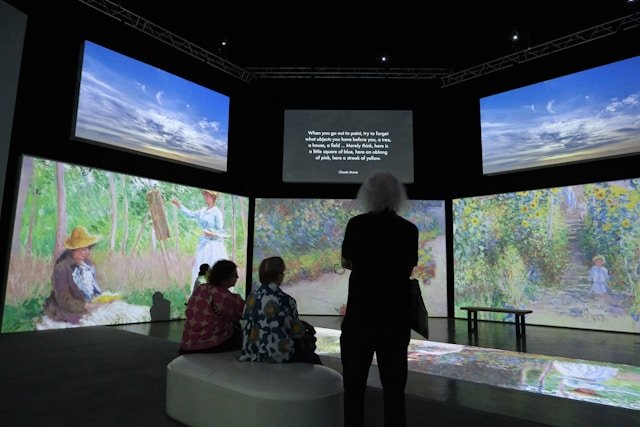
Immersive eco tourism and interpretive experiences help people form direct relationships with ecosystems.
These experiences often become the beginning of lifelong environmental awareness.
Building a Shared Conservation Future
Conservation is not only the responsibility of scientists or environmental organisations.
It belongs to everyone.
Storytelling creates space for:
- Community voices
- Indigenous ecological knowledge
- Personal conservation journeys
- Shared environmental responsibility
It allows people from different backgrounds to connect through a common appreciation of nature.
Telling Better Stories About Nature
The future of conservation depends not only on what we protect, but also on how we communicate its importance.
Stories help people see ecosystems as living systems filled with beauty, resilience, and meaning.
At Fynbos & Beyond, we believe every landscape has a story worth sharing — and every person has a role to play in protecting it.
Because when people connect with the story of nature, they become part of its future.
0 Comments